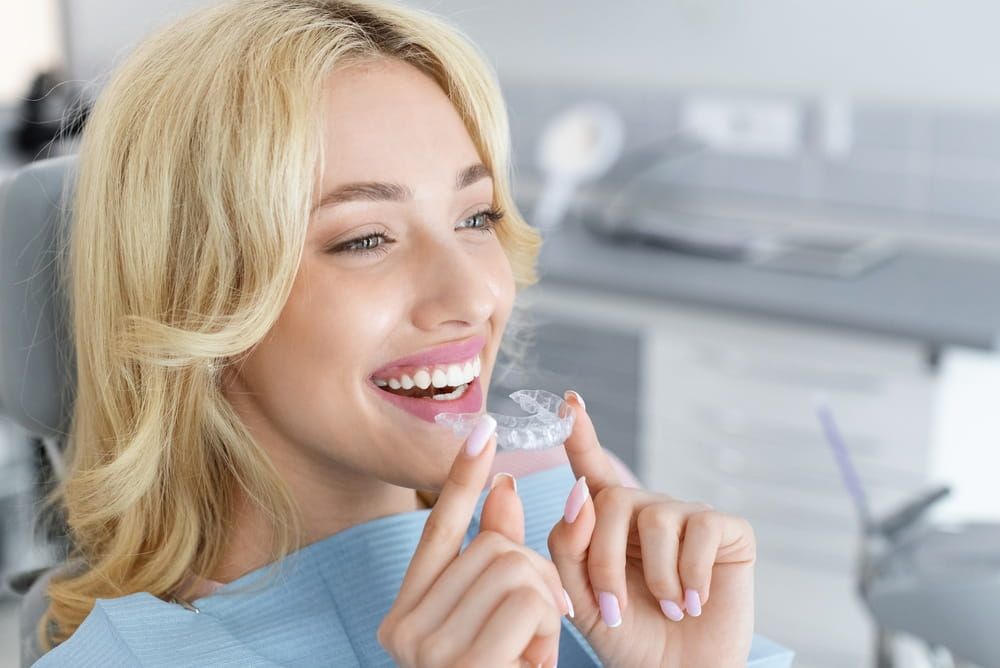

Orthodontic treatment is a process that relies on steady, controlled tooth movement over time. While modern braces and clear aligners are designed to efficiently guide teeth into healthier positions, the success of treatment depends on more than the orthodontic appliances themselves. Consistency with daily care, scheduled appointments, and following treatment instructions all play an important role in achieving the desired outcome. At Feusier Orthodontics, patients throughout Santa Barbara, Montecito, Goleta, Carpinteria, and the Buellton/Santa Ynez Valley are encouraged to understand how their daily commitment contributes to a healthy, lasting smile.
Orthodontic treatment is a partnership between the patient and the orthodontic team. Every adjustment, aligner change, and at-home care routine builds upon previous progress. Missing important steps or becoming inconsistent can slow tooth movement, extend treatment time, or affect the final results. Understanding why consistency matters helps patients stay motivated throughout every stage of their orthodontic journey.
Regular Appointments Keep Treatment on Track
Routine orthodontic visits allow the orthodontist to monitor progress, evaluate how the teeth are moving, and make adjustments when necessary. These appointments help ensure treatment continues according to plan while allowing small concerns to be addressed before they become larger problems.
Even when everything seems to be progressing well, regular checkups remain important. Teeth do not always move exactly as predicted, and periodic evaluations help determine whether modifications to the treatment plan are needed. Skipping appointments or delaying adjustments can interrupt the carefully planned sequence of tooth movement, which may lengthen the overall treatment timeline.
Monitoring Progress Improves Predictability
Orthodontists use each visit to assess bite alignment, appliance condition, and oral health throughout treatment. Identifying issues such as broken brackets, loose wires, or poorly fitting aligners early helps prevent unnecessary delays.
Maintaining scheduled appointments also allows patients to ask questions, receive updated care instructions, and better understand the progress they are making toward their treatment goals.
Daily Oral Hygiene Protects Your Smile
Keeping teeth and gums healthy throughout orthodontic treatment is just as important as straightening the teeth themselves. Braces, wires, and attachments create additional areas where plaque and food particles can collect. Consistent brushing and flossing help reduce the risk of cavities, gum inflammation, and staining around orthodontic appliances.
Patients wearing braces often benefit from using orthodontic flossers, interdental brushes, or water flossers to clean around brackets and wires. Those using clear aligners should brush before reinserting their trays to avoid trapping food debris against the teeth.
Healthy gums also respond better to orthodontic treatment. When inflammation is minimized, teeth can move more efficiently through healthy supporting tissues, helping treatment progress as planned.
Following Instructions Helps Teeth Move Properly
Every orthodontic treatment plan is customized to the individual patient. Whether treatment involves traditional braces or Invisalign® and other clear aligners, following the orthodontist’s recommendations is essential for successful outcomes.
Patients may receive instructions regarding elastic wear, aligner schedules, dietary precautions, or appliance care. These recommendations are carefully designed to support proper tooth movement throughout treatment.
Examples of consistent habits that contribute to treatment success include:
- Wearing aligners for the recommended number of hours each day.
- Changing aligners according to the prescribed schedule.
- Wearing rubber bands exactly as directed.
- Avoiding foods that could damage braces.
- Reporting broken appliances promptly.
- Following instructions for retainers after treatment is complete.
Even small lapses in consistency can affect how teeth respond during treatment. Staying committed to these daily responsibilities often helps maintain steady progress.
Patience and Consistency Work Together
Orthodontic treatment requires time because teeth must move gradually and safely within the jawbone. Although many patients notice improvements early in treatment, complete correction often takes many months or longer, depending on the complexity of the case.
It can be tempting to become less diligent once visible improvements appear. However, the final stages of treatment are often just as important as the beginning. Fine-tuning bite alignment, closing small spaces, and achieving optimal tooth positioning all require continued consistency until treatment is complete.
For younger patients, an Early Treatment Phase (Phase I) evaluation may establish a strong foundation for future orthodontic care. Whether treatment begins early or later in life, consistent participation remains one of the most important factors influencing long-term success.
Consistency Creates Lasting Results
The goal of orthodontic treatment is not simply to straighten teeth temporarily but to create healthy, stable results that last for years. Consistency during active treatment lays the groundwork for maintaining those improvements after braces or aligners are removed. Wearing retainers as directed, continuing routine dental care, and practicing good oral hygiene all help preserve the final outcome.
Orthodontic treatment is a long-term investment in oral health, function, and confidence. Feusier Orthodontics encourages patients throughout Santa Barbara, Montecito, Goleta, Carpinteria, and the Buellton/Santa Ynez Valley to remain committed to each stage of their treatment plan. By attending appointments, following professional guidance, and maintaining healthy daily habits, patients give themselves the best opportunity to achieve a beautiful, functional smile that can last a lifetime.
Resources
Proffit, W. R., Fields, H. W., Larson, B. E., & Sarver, D. M. (2019). Contemporary Orthodontics (6th ed.). Elsevier.
Graber, L. W., Vanarsdall, R. L., Vig, K. W. L., & Huang, G. J. (2022). Orthodontics: Current Principles and Techniques (7th ed.). Elsevier.
American Association of Orthodontists. (2024). Life with Braces and Aligners. https://aaoinfo.org/