
Orthodontic treatment has changed significantly over the past several decades. Many people still picture braces as large metal brackets with bulky wires that caused frequent discomfort. Fortunately, advances in orthodontic technology have made today’s braces smaller, smoother, and more efficient than ever before. As a result, patients often experience a more comfortable treatment process while still achieving excellent results. At Feusier Orthodontics, patients throughout Santa Barbara, Montecito, Goleta, Carpinteria, and the Buellton/Santa Ynez Valley have access to educational resources that help them better understand how modern orthodontic care continues to evolve.
Comfort remains one of the biggest concerns for both teens and adults considering orthodontic treatment. While it is normal to experience mild soreness after adjustments or when braces are first placed, today’s materials and treatment techniques have greatly reduced the amount and duration of discomfort. Understanding what makes modern braces different can help patients feel more confident about beginning treatment.
Smaller Brackets Make a Big Difference
One of the most noticeable improvements in orthodontics is the design of the brackets themselves. Today’s brackets are considerably smaller and have smoother, rounded edges that are less likely to irritate the cheeks, lips, and tongue. This refined design allows patients to adapt more quickly after braces are placed.
Smaller brackets also improve oral hygiene because they occupy less space on each tooth. This makes brushing and flossing somewhat easier compared to older orthodontic systems. Less irritation combined with easier cleaning contributes to a more comfortable daily experience throughout treatment.
Improved Materials Reduce Irritation
Modern orthodontic brackets are manufactured using advanced materials that are both durable and lightweight. Stainless steel alloys have become more refined, and ceramic options provide an aesthetic alternative for patients who prefer less noticeable braces. These improvements create appliances that are gentler against soft tissues while maintaining the strength needed to move teeth effectively.
Many patients also benefit from orthodontic wax during the first few days of treatment. As the mouth adjusts to the new appliances, most areas of irritation naturally resolve as the cheeks and lips become accustomed to the brackets.
Advanced Wires Apply More Gentle Pressure
Orthodontic wires have experienced some of the greatest technological advancements in recent years. Older braces often relied on stiffer stainless-steel wires that placed greater force on the teeth. Today, many orthodontists begin treatment with nickel-titanium wires, which are designed to deliver lighter, more consistent pressure.
Gentle, continuous force allows teeth to move more naturally through the bone. Rather than creating sudden pressure, these flexible wires gradually guide teeth into better alignment. This often leads to less soreness after appointments while helping maintain efficient tooth movement.
Another advantage is that modern wires retain their shape better throughout treatment. Because they continue applying controlled force over time, patients may require fewer emergency visits for broken or distorted wires than in previous generations of orthodontic appliances.
Technology Has Improved Treatment Planning
Modern orthodontics extends beyond the braces themselves. Digital imaging, advanced diagnostics, and computerized treatment planning allow orthodontists to create highly individualized treatment plans. More accurate planning helps ensure that each stage of tooth movement occurs in a controlled and predictable manner.
Digital technology also allows orthodontists to monitor progress more precisely during routine appointments. Instead of relying solely on traditional impressions, many practices now use digital scans that provide highly detailed images of the teeth and bite. These tools help identify necessary adjustments earlier, contributing to a smoother treatment experience.
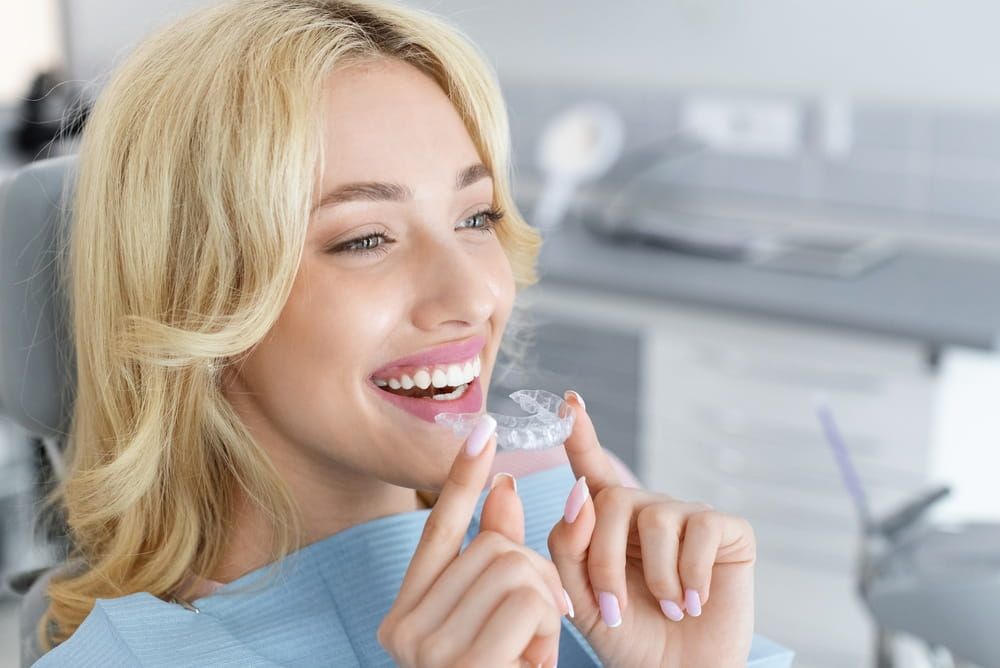
Patients who are exploring orthodontic options may also compare traditional braces with Invisalign® or other clear aligners to determine which treatment best fits their lifestyle and orthodontic needs.
Daily Habits Can Make Braces Even More Comfortable
While modern orthodontic appliances are designed for comfort, patients can also take simple steps to make treatment even easier during the adjustment period.
- Eat softer foods for the first few days after adjustments.
- Use orthodontic wax if a bracket temporarily rubs against the cheek.
- Rinse with warm salt water to soothe mild irritation.
- Brush and floss carefully to keep braces and gums healthy.
- Follow your orthodontist’s instructions regarding elastics and appliance care.
Developing good habits early often leads to a smoother orthodontic journey. Patients who consistently maintain excellent oral hygiene and attend regular appointments frequently experience fewer complications during treatment.
For younger patients whose permanent teeth are still developing, learning about an Early Treatment Phase (Phase I) evaluation may also help families understand when orthodontic care is most beneficial.
Modern Braces Support Better Patient Experiences
Today’s orthodontic treatment focuses not only on achieving a healthy bite and beautiful smile but also on improving the overall patient experience. Advances in bracket design, wire technology, digital planning, and treatment efficiency have made braces significantly more comfortable than many people expect. Although every patient responds differently, most individuals find that any initial soreness is temporary and manageable.
Education plays an important role in reducing anxiety about orthodontic treatment. Feusier Orthodontics encourages patients throughout Santa Barbara, Montecito, Goleta, Carpinteria, and the Buellton/Santa Ynez Valley to learn about the latest orthodontic advancements so they can make informed decisions about their oral health. Understanding how modern braces have evolved can make the journey toward a healthier, more confident smile feel much less intimidating.
Resources
Proffit, W. R., Fields, H. W., Larson, B. E., & Sarver, D. M. (2019). Contemporary Orthodontics (6th ed.). Elsevier.
Graber, L. W., Vanarsdall, R. L., Vig, K. W. L., & Huang, G. J. (2022). Orthodontics: Current Principles and Techniques (7th ed.). Elsevier.
American Association of Orthodontists. (2024). Braces and Orthodontic Treatment Information. https://aaoinfo.org/