
At Feusier Orthodontics, families across Santa Barbara, Montecito, Goleta, Carpinteria, and the Buellton/Santa Ynez Valley often ask one of the most common questions: how long will orthodontic treatment take? While timelines vary from person to person, most orthodontic treatments typically range between 12 to 24 months. Some minor cases may take as little as six months, while more complex issues can extend beyond two years.
The length of treatment depends on several factors, including the severity of alignment issues, the type of treatment used, and how well patients follow instructions. Orthodontic care is a gradual biological process that involves safely moving teeth into proper alignment, which cannot be rushed without risking damage to the teeth or supporting structures.
Factors That Influence Treatment Duration
Orthodontic timelines are not one-size-fits-all. Each patient has a unique dental structure, growth pattern, and treatment plan that influences how long the process will take. Understanding these factors can help set realistic expectations.
One major factor is the complexity of the case. Mild spacing or crowding may be resolved relatively quickly, while bite issues such as overbites, underbites, or crossbites often require more time. Age can also play a role, as younger patients may respond more quickly to treatment due to ongoing growth and development.
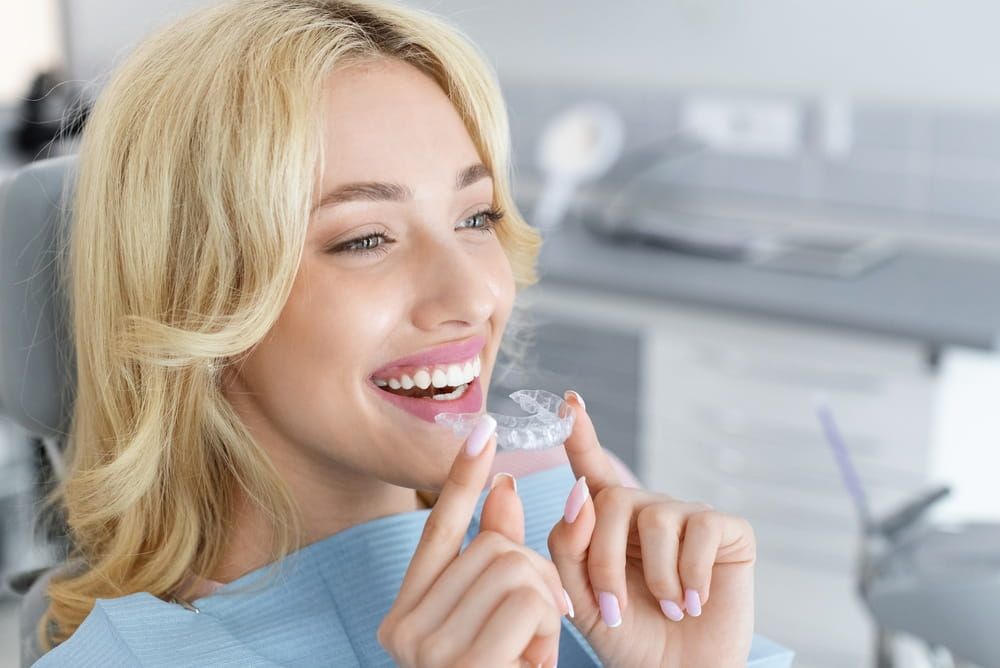
Patient compliance is another critical element. For example, individuals using clear aligners must wear them for the recommended 20 to 22 hours per day to stay on track. Missing wear time or skipping appointments can delay progress and extend the overall timeline.
Breaking Down the Phases of Treatment
Orthodontic treatment is typically divided into several phases, each with a specific purpose. These phases help guide teeth and jaws into their proper positions while maintaining oral health throughout the process.
The initial phase involves consultation, imaging, and treatment planning. During this stage, orthodontists assess the condition of the teeth and jaws and determine the best approach. Once treatment begins, appliances such as braces or aligners are used to gradually shift teeth into alignment.
The active phase of treatment is when most of the movement occurs. Patients attend regular adjustment appointments to ensure progress stays on track. After the desired alignment is achieved, the retention phase begins. Retainers are used to maintain results and prevent teeth from shifting back to their original positions.
Early Treatment vs Comprehensive Treatment Timelines
For younger patients, early orthodontic intervention—often referred to as Phase I treatment—can begin as early as age seven. This type of treatment typically lasts 6 to 12 months and focuses on guiding jaw growth and creating space for permanent teeth. You can learn more about this approach through early orthodontic care like Early Treatment Phase.
After Phase I, there is usually a resting period where the remaining permanent teeth erupt naturally. Later, Phase II treatment may be recommended to fine-tune alignment, which can take an additional 12 to 24 months depending on the case.
For teens and adults who begin treatment after all permanent teeth are present, the process is typically completed in one comprehensive phase. The timeline in these cases depends largely on the severity of the alignment and bite issues.
How Different Treatment Options Affect Timing
The type of orthodontic treatment selected can also influence how long the process takes. Traditional braces are often recommended for more complex cases because they allow for precise control of tooth movement. These cases may take longer but are highly effective for significant corrections.
Clear aligners, such as Invisalign, are popular for mild to moderate alignment issues. They can sometimes offer shorter treatment times, especially when patients are consistent with wear. However, they may not be suitable for all cases, particularly those involving severe bite discrepancies.
In some situations, a combination of treatments may be used to achieve the best results. The key is selecting an approach that balances efficiency with long-term stability and oral health.
Tips to Stay on Track During Treatment
While orthodontic timelines are influenced by biology and treatment complexity, there are steps patients can take to avoid unnecessary delays. Staying consistent with appointments, maintaining excellent oral hygiene, and following all care instructions are essential for keeping treatment on schedule.
Patients using aligners should wear them as directed and switch to new trays on time. Those with braces should avoid foods that can damage brackets or wires and report any issues promptly. Small habits can have a big impact on overall treatment efficiency.
It is also important to wear retainers exactly as prescribed after treatment is complete. This ensures that the results achieved during treatment are maintained over time.
What to Expect at the Finish Line
The end of orthodontic treatment is an exciting milestone, but it is not the end of the journey. Teeth naturally have a tendency to shift, which is why the retention phase is critical. Wearing retainers helps preserve alignment and protects the investment made in treatment.
Patients often notice not only aesthetic improvements but also functional benefits, such as easier chewing, clearer speech, and improved oral hygiene. These long-term advantages make the time spent in treatment worthwhile.
At Feusier Orthodontics, individuals and families across Santa Barbara, Montecito, Goleta, Carpinteria, and the Buellton/Santa Ynez Valley can feel confident knowing that orthodontic timelines are carefully planned to balance efficiency with lasting results. Understanding what affects treatment duration helps patients stay informed, motivated, and prepared for a successful orthodontic journey.
Resources
American Association of Orthodontists. (2023). Braces and Orthodontics Overview. AAO.
Proffit, W. R., Fields, H. W., & Sarver, D. M. (2018). Contemporary Orthodontics. Elsevier.
Littlewood, S. J., Mitchell, L., Greenwood, D. C., & Bearn, D. R. (2016). Retention and Stability in Orthodontics. Wiley Blackwell.